How does Walhalla’s rain affect a fence?
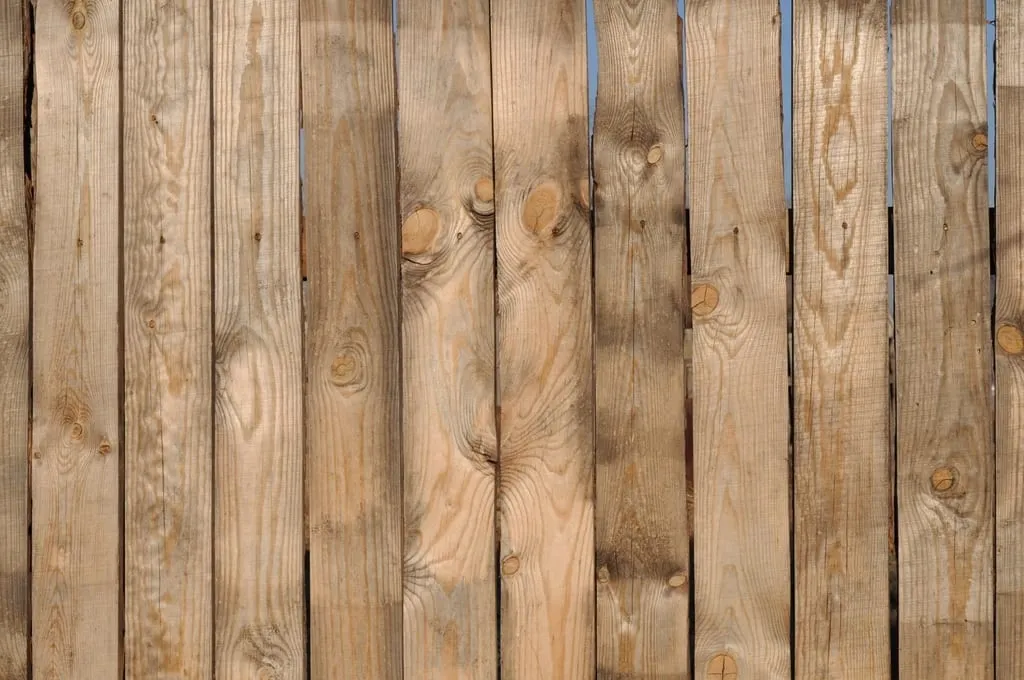
It wears on wood most. Walhalla’s 1991–2020 normal is 61.1 inches of precipitation a year, and pressure-treated pine posts rot at the base first, right where the ground stays damp.
The town’s mean temperature over the same period is 59.2°F. South Carolina also sits in HUD’s termite Zone 1, rated “very heavy.” None of that rules wood out. It means choosing the material with the weather in mind, keeping soil and leaf litter off the bottom boards, and setting posts in concrete, which we do for every wood, vinyl and aluminum fence.
Which fence lasts longest here?
Aluminum and vinyl, by years. Published lifespans for hot, humid weather run like this:
| Fence | Typical life | Installed price |
|---|---|---|
| Pressure-treated pine privacy, 6 ft | 10 to 20 years | $22–34 a foot |
| Galvanized chain link, 4 ft | 20 years or more | $13–19 a foot |
| Vinyl privacy, 6 ft | 20 to 30 years or more | $30–44 a foot |
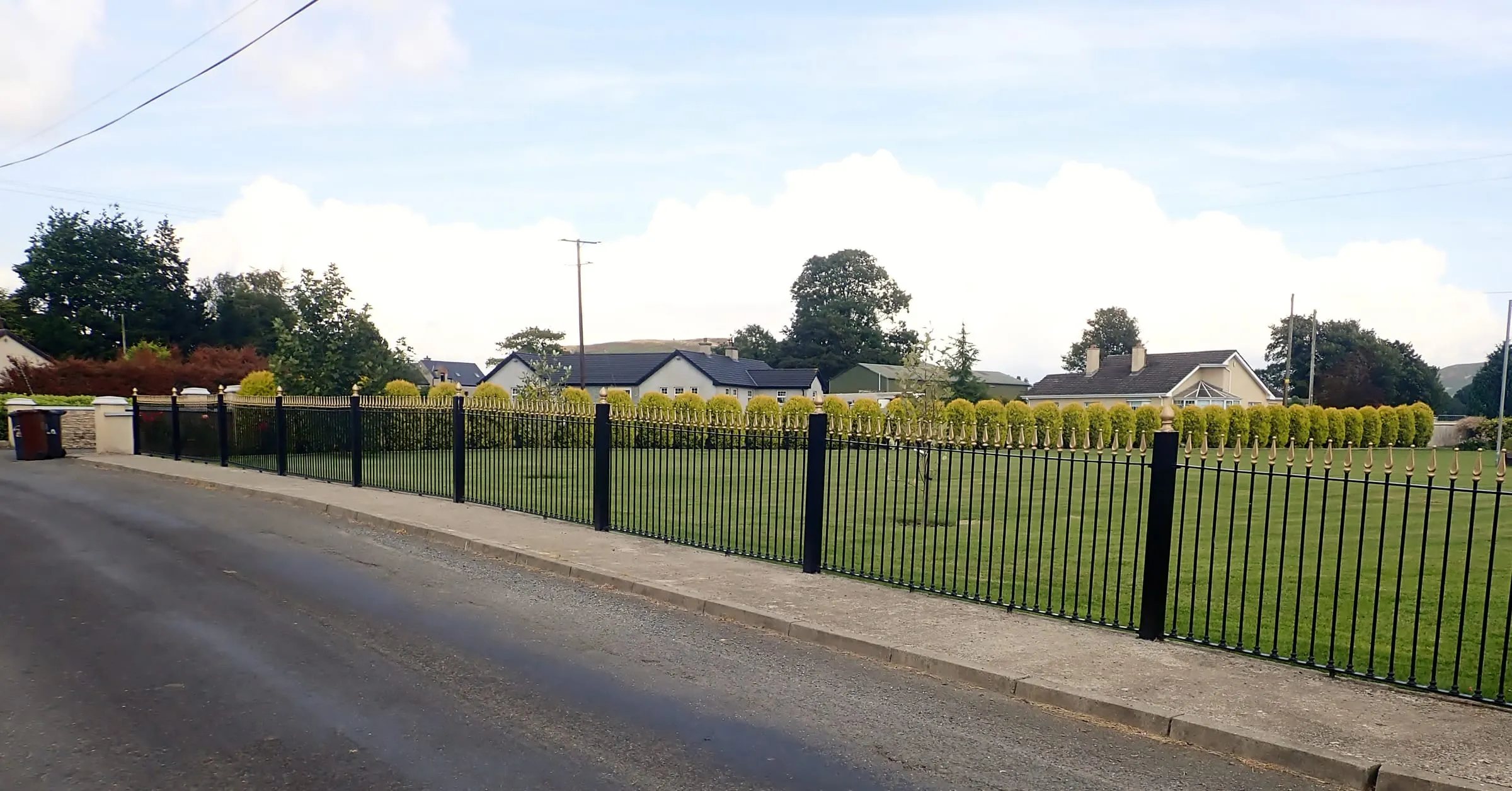
| Aluminum, 4 ft | 20 to 50 years | $30–42 a foot |
Wood still makes sense if you want the look and plan to look after it. How long a wood fence lasts goes through what shortens it and what helps. If an older wood fence in town is leaning or the posts have gone soft, fence repair may buy it more years before a full replacement.
What rules apply inside Walhalla?
The city’s own. The only Walhalla ordinance text we found was a draft from August 2026, so we don’t quote it; ask the City of Walhalla what is in force for your street before the layout is final.
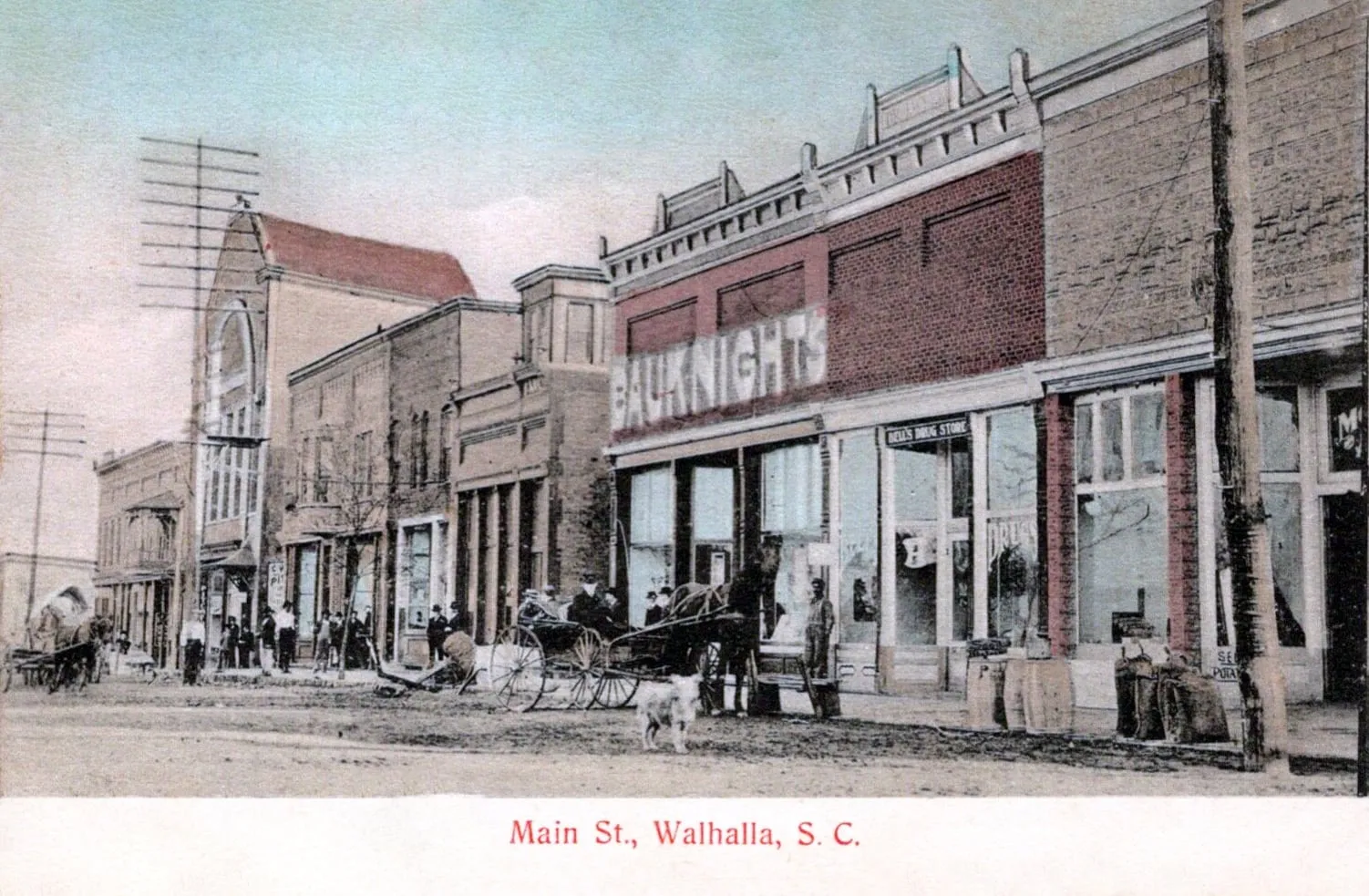
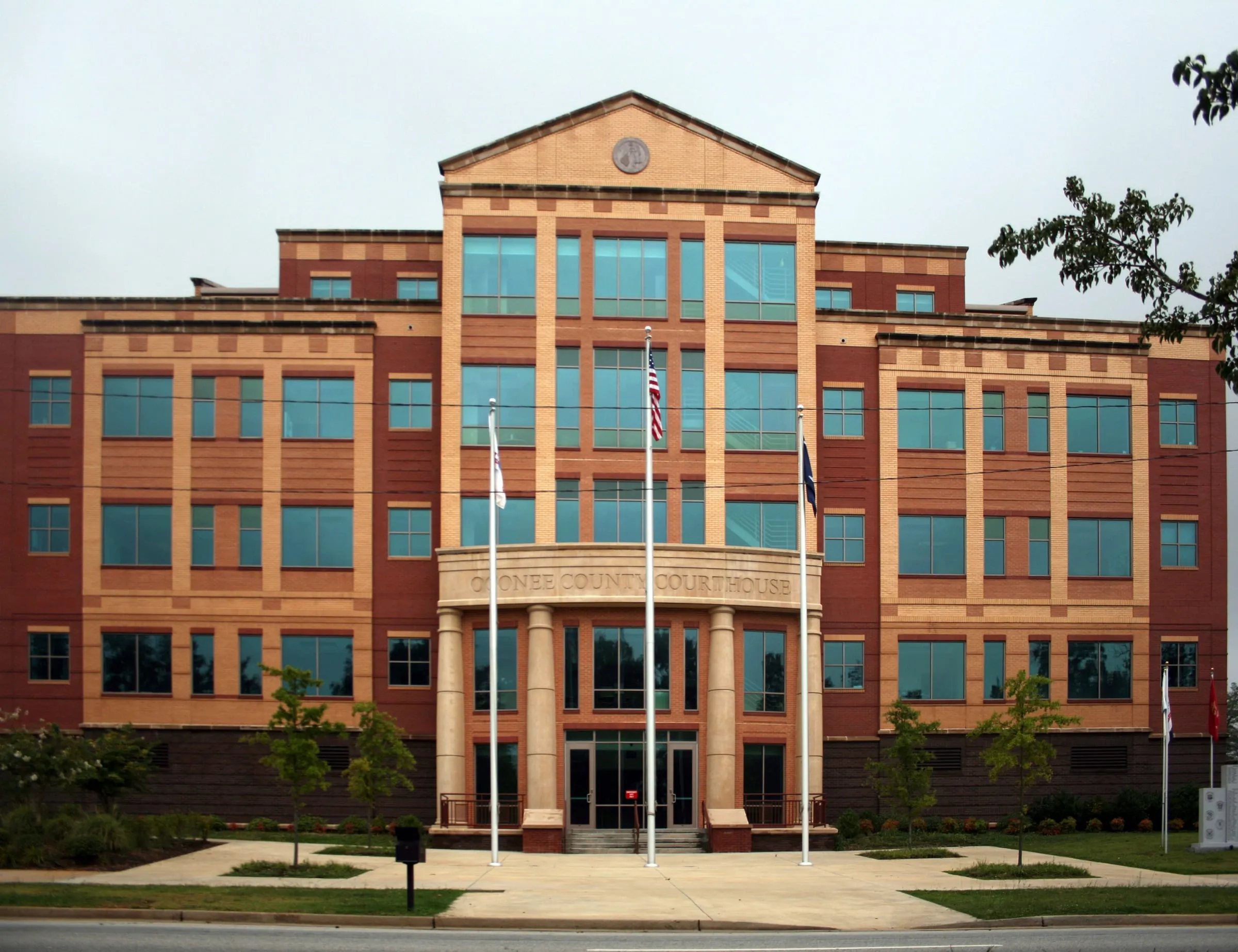
Walhalla has been the county seat since 1868, and the Oconee County Courthouse is in town, which can make it unclear whose rules reach a given lot. Start with the city. Oconee County Planning & Zoning (864-638-4218) can tell you whether any county rule also applies. Fence permits in Oconee County lays out the jurisdictions.
And outside the city limits?
Oconee County’s rules apply. A fence may stand in any setback “so long as they remain on the property,” in the words of Sec. 38-9.3(2), but sight triangles at corners and driveways stay clear.
The triangle has 25-ft legs, and nothing between 2.5 and 8 ft high may stand inside it where a driveway meets the street or two streets meet. That catches a lot of road-frontage fences: a 4 ft board fence along the road has to stop short of the drive or drop below 2.5 ft near it.
What about pasture on the edge of town?
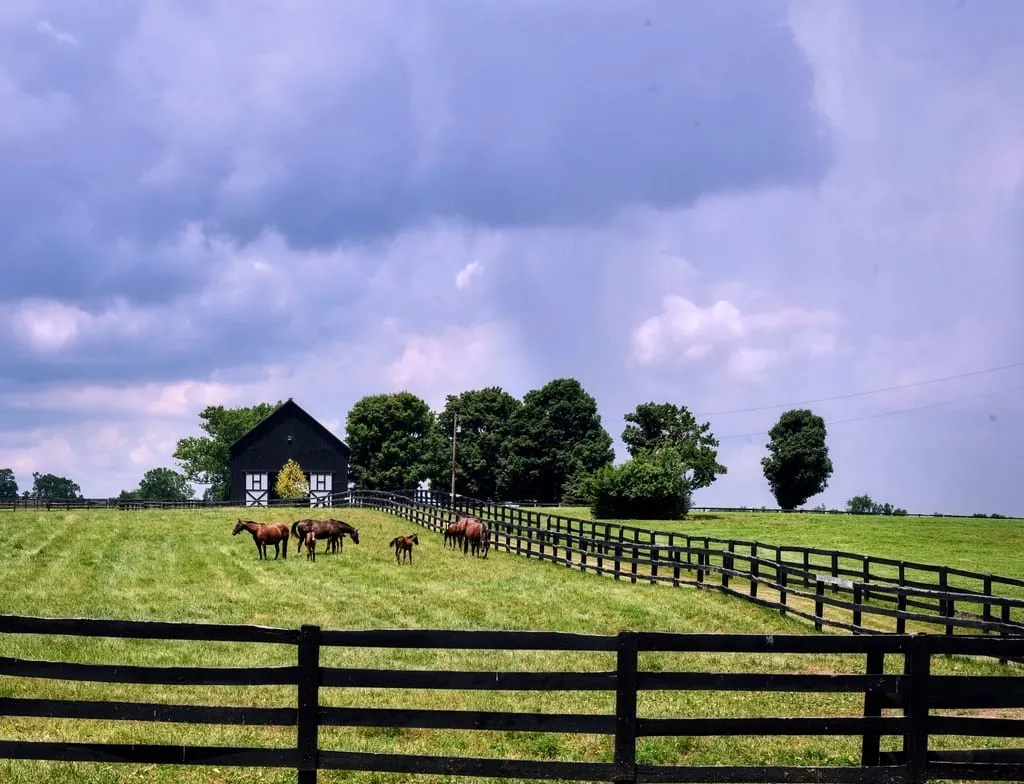
Board and woven wire, set to the slope. Past the city limits the ground rises toward the mountains, so pasture lines run up and over hills rather than across flat fields.
Out toward Stumphouse Tunnel, where work stopped in 1859 and Clemson aged blue cheese from 1951, the lots get steeper. Woven wire follows the ground between posts at about $5–10 a foot. Three or four board fence runs about $12–22 a foot and is stepped on a slope, each section level and dropping at the post. Farm gates add $250–450 for a walk gate and $400–750 for a drive gate. Farm fence has the details on both.